CPA San AntonioA sketch, with the amounts left off
A made-up year, labeled as made up, so you can see the hole without anyone's real balances on a website.
Compare it to yours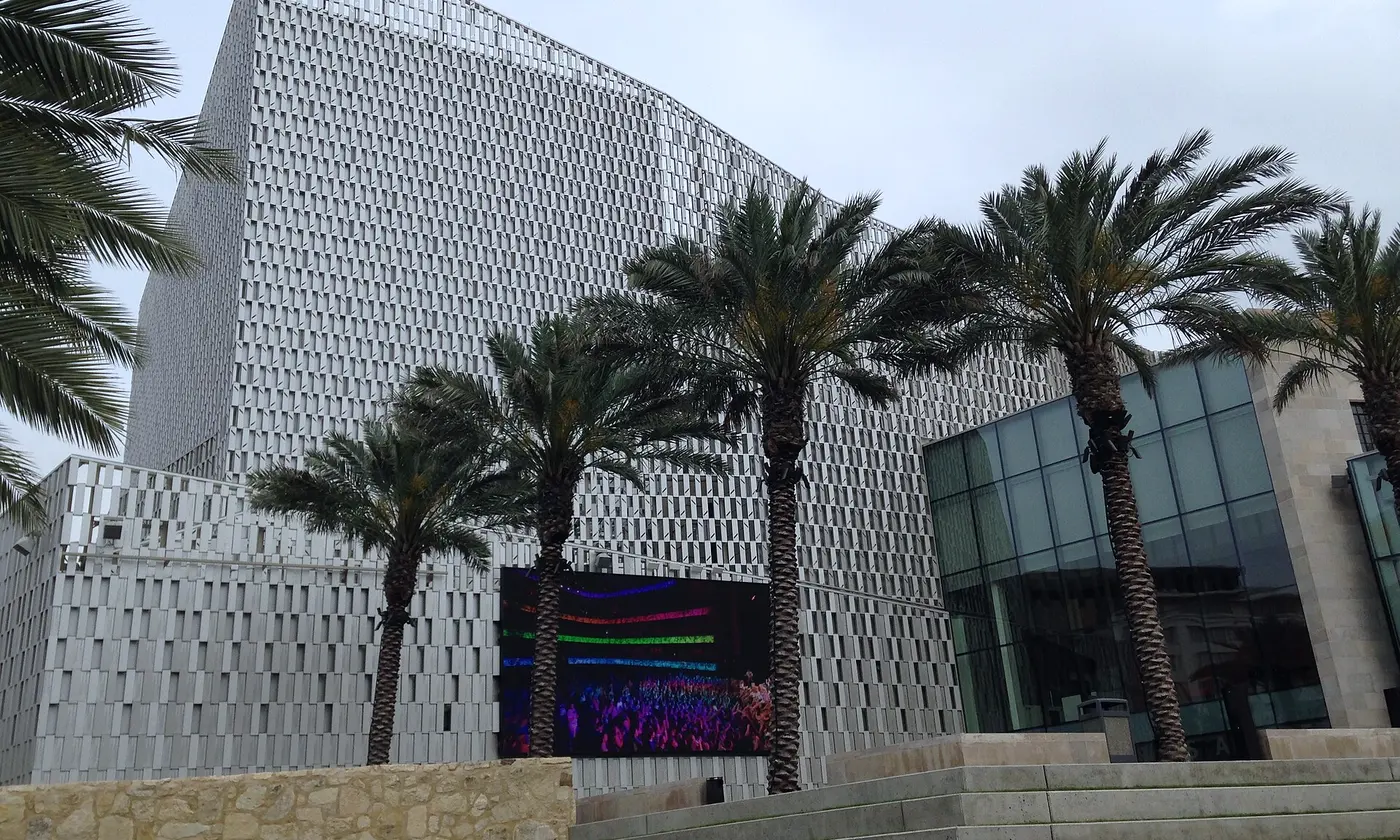
Two shows, one house, and a schedule someone owns
This sketch is hypothetical. The amounts are off on purpose. This is not a shop we have sat with. It promises no result. The only thing on the page is the shape of a gap we see often enough to name.
The Tobin Center puts a lattice of light and a row of palms on the street, and people in the city know it as the room where the big shows happen. We are Texans, and a full house there is a shared pride. Two acts can share that room only because someone owns the schedule. If each act assumes the other one booked the crew, the night still arrives and the crew does not. Two careful vendors can do that to a year.
UTSA opened in 1969 and is the largest university in the city. A campus that size still runs one term at a time. We are Texans, and that campus is a point of pride. We do not keep their books. The wink is the term. A year in a business is also a string of months, and the string breaks if the opening month belongs to nobody.
The shape, and nothing else
Call the books person Vendor A and the return person Vendor B. Through the year, Vendor A closed each month, sent statements, and moved on. Vendor B was not in the file yet. That is normal. Returns happen after the year.
In the spring, Vendor B prepared a return and made changes so the year would tie. Those changes never went back into the books. Vendor A had already opened the new year and did not know the changes existed. Vendor B believed the books person would pick them up. The opening month of the new year is where those changes had to land. Neither person had it on a list.
Nothing in that paragraph is a balance, a wage, or a name. The only fact is the order. Changes made for a return have to come home to the books, or the next year starts from a picture the return already left behind. We hold both jobs so the trip home is ours to make, in the same month, while both files are open.
What we would do with a year that looks like this
We would not start by preparing another return. We would list the months that tie to the bank and the months that do not. We would find the changes that live only in the return. We would post them into the month they belong to, or into the opening month if that is where they were stranded, and we would show you the list before anything is filed.
If the hole is one month, the work is a close. If the hole is most of the year, the work is a rebuild, and the fee conversation should say so before anyone starts. The terms page is where a scope like that gets named. This sketch exists so you can recognize the shape. Your file, if you bring it, will have amounts. They stay off this page.
Payday in the sketch is the same rule as on the other pages. A provider runs it. Reports have to be posted. An assurance signature is not part of the repair. If the stranded piece is an audit request, it leaves. The disclosures page says where.
How to tell this sketch from your own year
If both people can point to the opening month and say who posted the return's changes, you do not have this hole. If each person points at the other, you do. If the statements for January do not mention last year's return at all, look there first.
You can bring the sketch to a call without bringing numbers. Say whether Vendor A and Vendor B are two firms, or one firm and you, or you and a spreadsheet. We will say whether the next step is a single close or a longer rebuild. The honest answer might be that the hole is smaller than you fear. That answer counts.
A ballpark with one schedule
The Double-A ball club named for the missions plays at Nelson W. Wolff Municipal Stadium. We are Texans, and a summer night in that park is a pride people share. Two clubs can use one field only because the schedule has an owner. A year with two vendors is the same problem in quieter clothes. If neither person owns the opening month, the next season still starts, and the hole comes with it.
When someone does own that month, the sketch ends in a plain way. The changes from the return get posted. The bank gets matched again. The next statement mentions the prior year instead of ignoring it. Only then can a new return be prepared. Skipping the posting to save a week is how the same sketch writes itself again next spring.
Tell us the shape, with no figures
Who keeps the books, who prepares the return, and which month is the hole.

You will be talking to the Steven Palmieri practice.